Youth Civic Project
Learn how rightsactually work.
A lot of material written for young people about rights stops at a slogan. This site is here so a student can find the rule, see where it applies, and open a source.
The record
The pictures behind the principles
These photographs show the people, places, and documents that have shaped American history and the rights we have today.
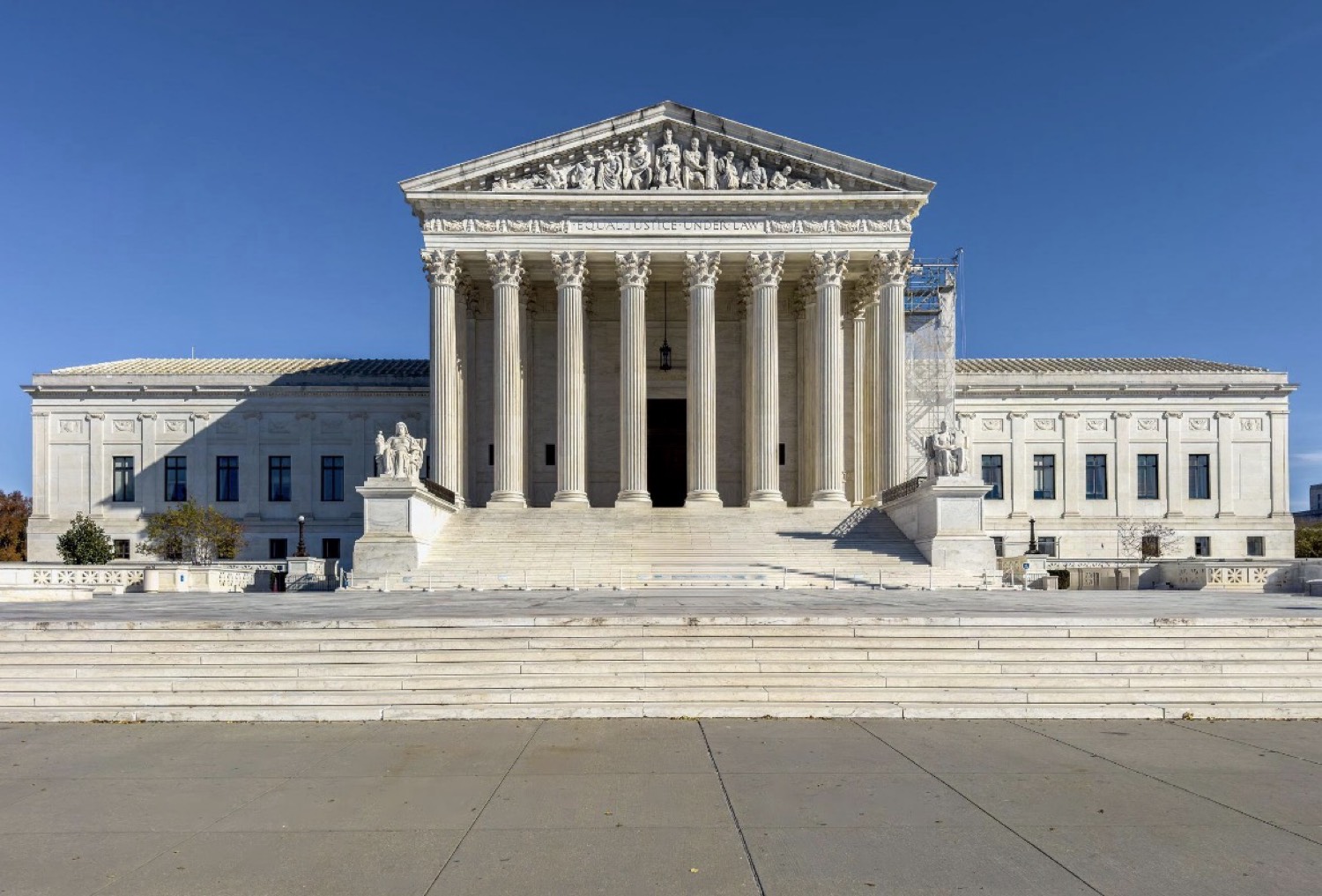
The United States Supreme Court
The Supreme Court is where some of the country’s most important legal disputes are decided. Its decisions shape how the Constitution is interpreted and how the law applies to Americans.
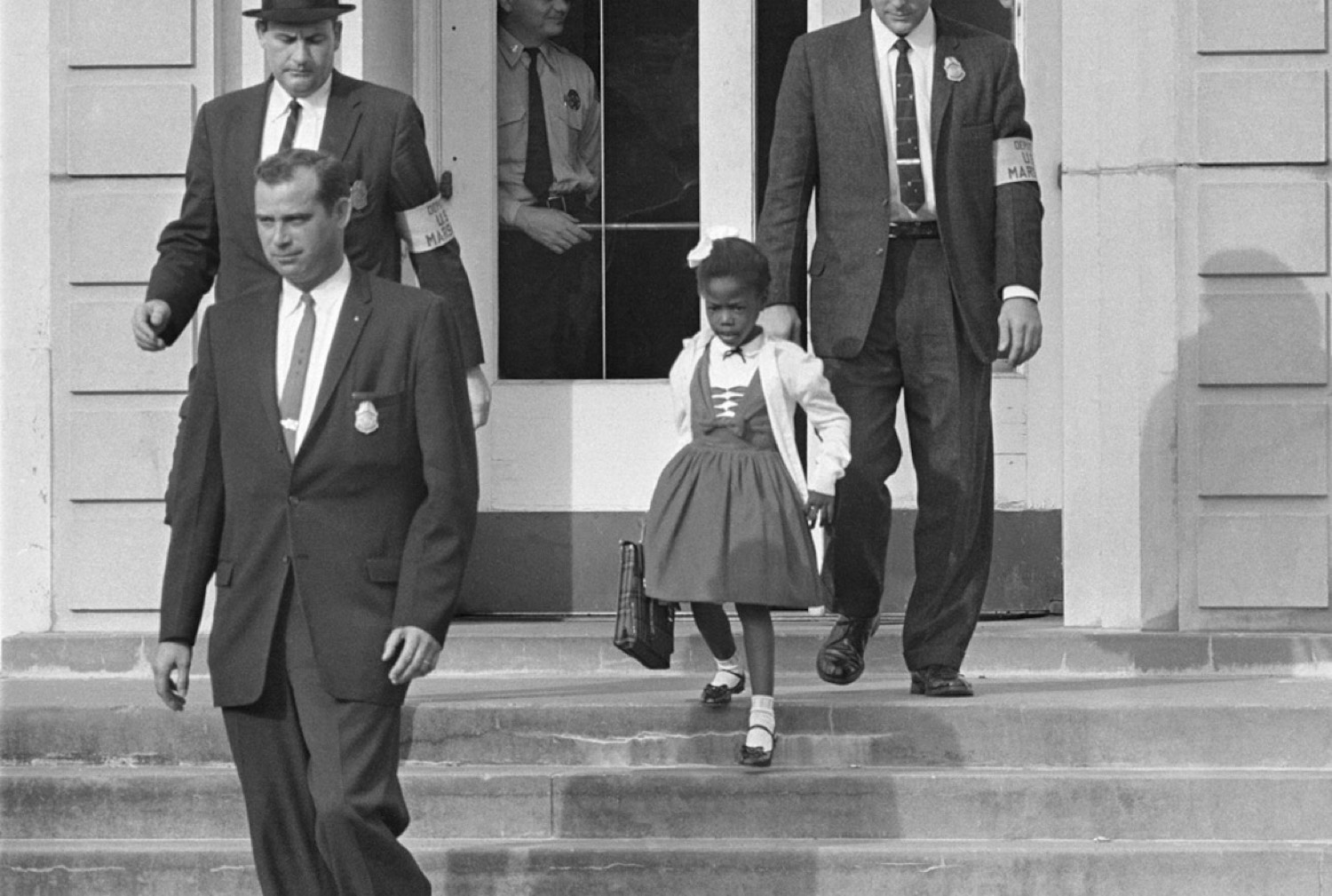
Ruby Bridges, New Orleans, 1960
Ruby Bridges was six years old when she became one of the first Black children to integrate an all-white elementary school in New Orleans. Her story is an important part of the history of school desegregation and the fight for equal rights.
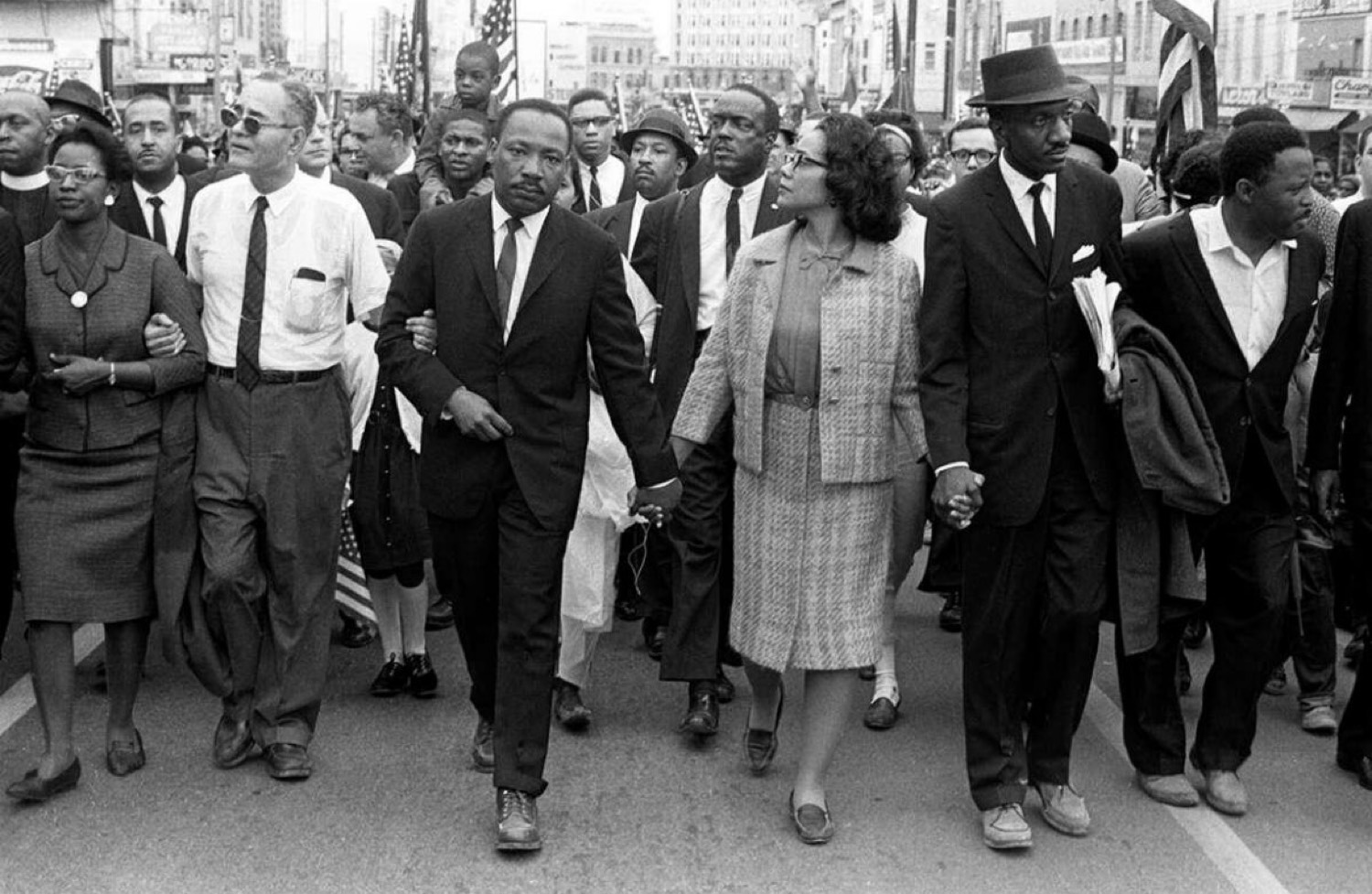
Martin Luther King Jr. and the civil rights movement
Marches and demonstrations helped bring national attention to racial segregation and discrimination. The civil rights movement showed how people can organize, speak out, and demand change.
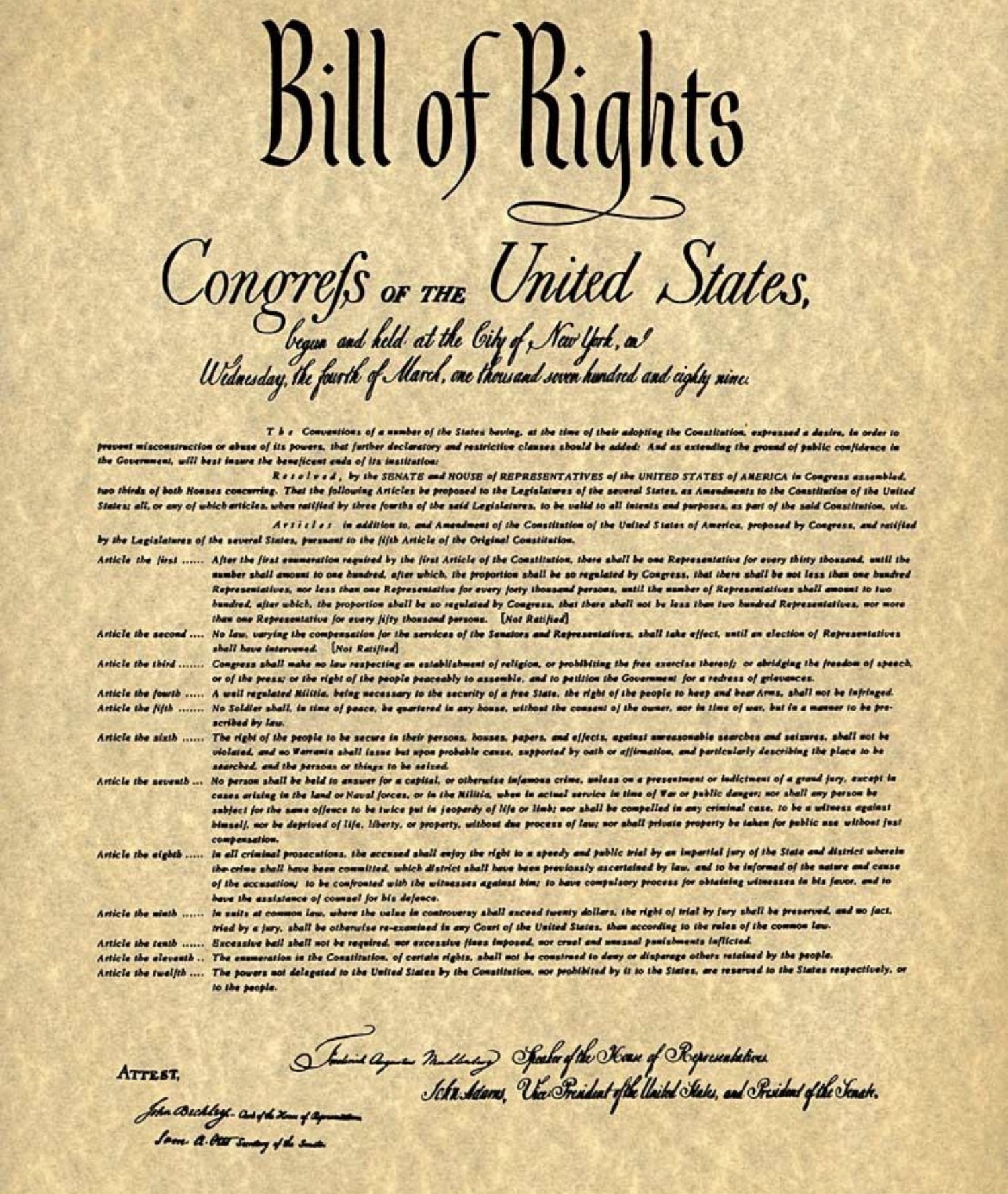
The Bill of Rights
The first ten amendments to the Constitution protect fundamental freedoms and establish limits on government power. They remain central to understanding American rights and civil liberties.
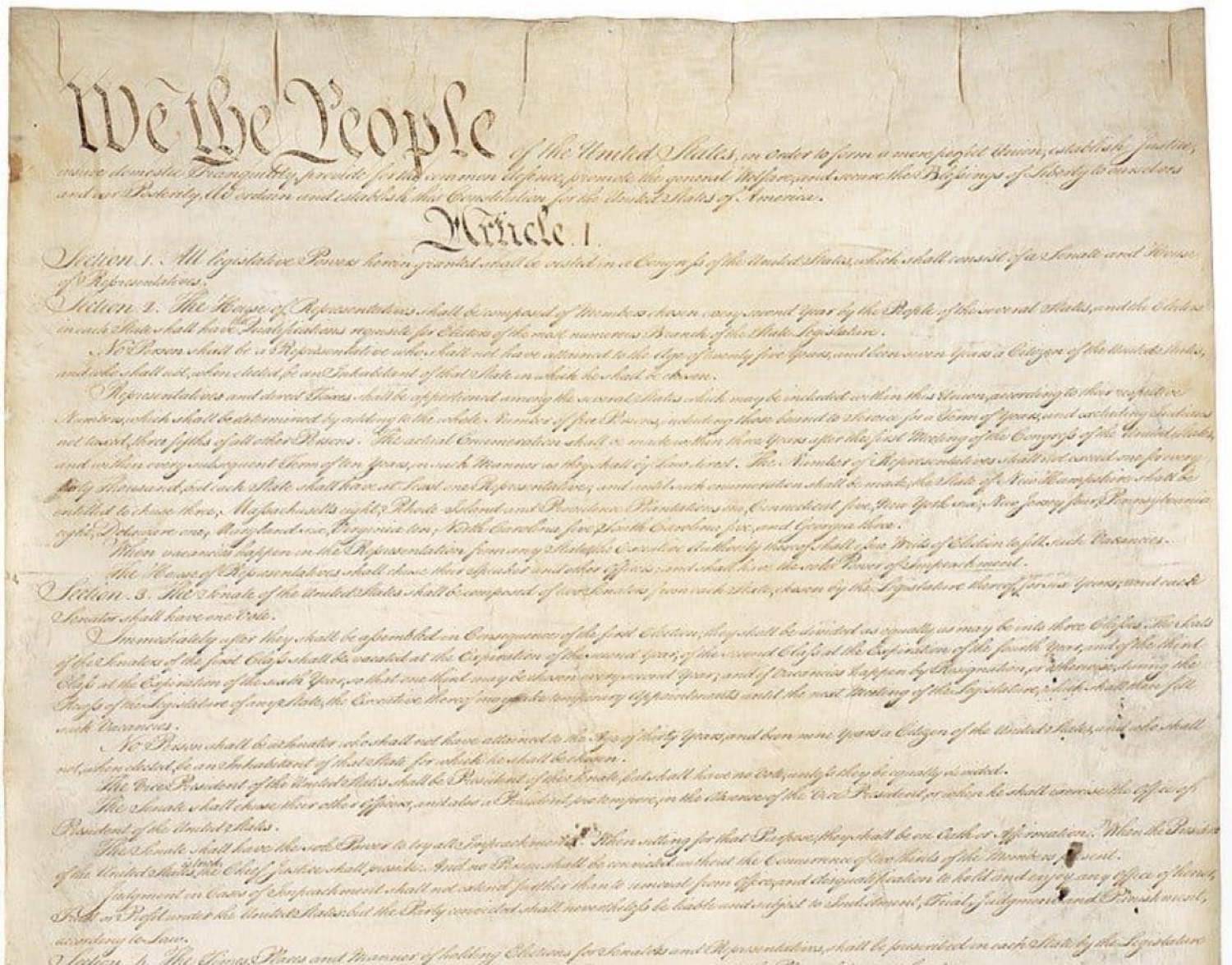
The United States Constitution
The Constitution establishes the structure of the federal government, divides its powers, and sets out the framework for American law. Article I establishes the legislative branch of the federal government.
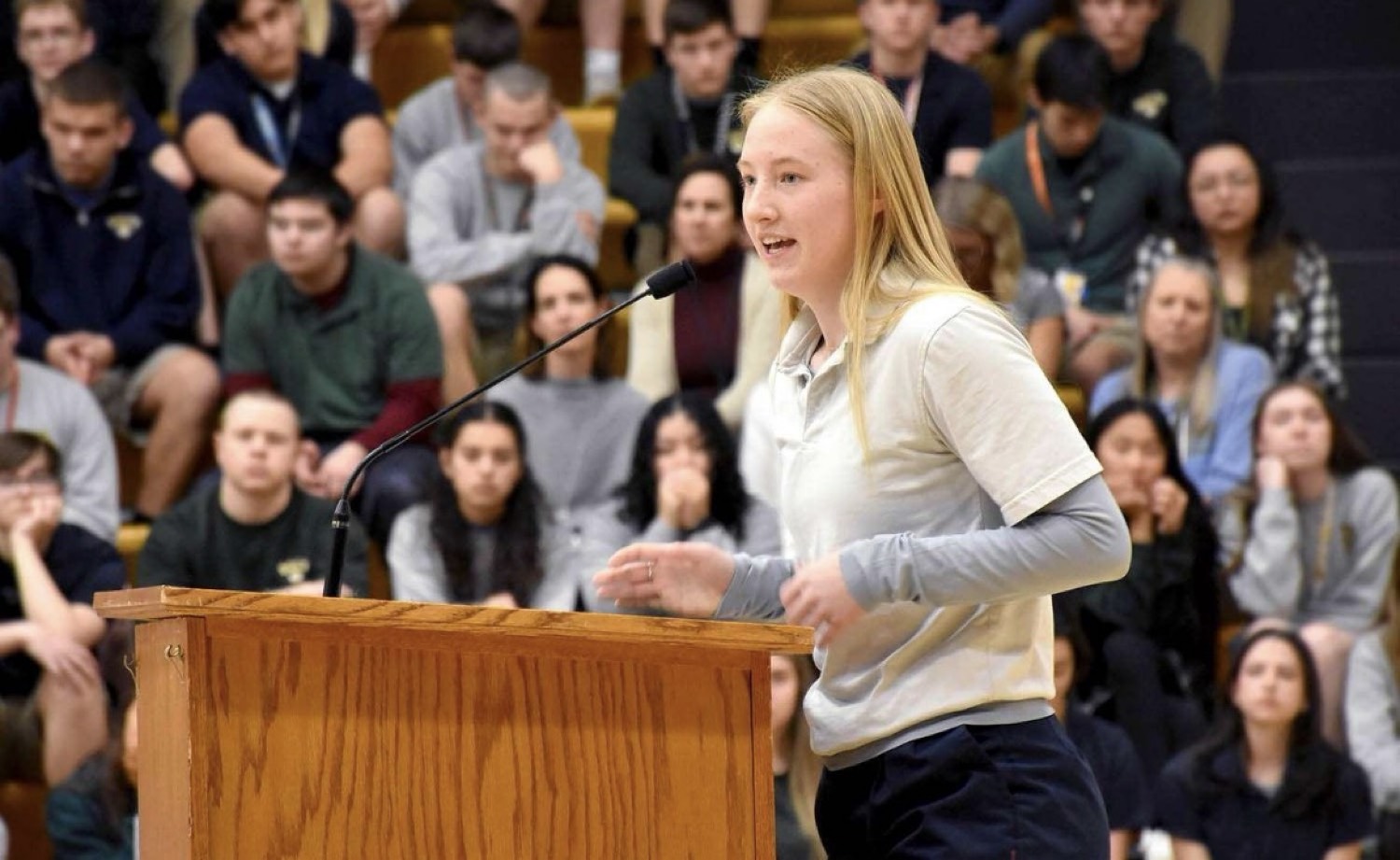
Students speaking up
Civic engagement isn’t limited to elected officials or people working in government. Students can participate by asking questions, discussing issues, learning about their rights, and getting involved in their communities.
The history behind these images still matters. Understanding it helps us make sense of the laws, rights, and responsibilities that shape our lives today.
Members
Where members work
Community
Posts stay on this site. Discord is not required.
Missions
Finish the work. Officers review what a form cannot grade.
Civic Arena
Polls, debates, and simulated bills. Labeled as practice.
Projects
Propose a project. It stays unofficial until staff clear it.
Events
Only sessions with a real date. Empty means none are set.
Service
Hours count after an officer approves the log.
Midnight case · Chicago
Classroom hypothetical 298: a city sets an early curfew for people under 17
Case of the Day · Sunday, October 25, 2026 · Classroom hypothetical · not a court decision
Setting: a courthouse hallway where a class is on a field trip. The problem: a city sets an early curfew for people under 17. What else is true: The rule was written the night before and was not in the…
Read the case →
From member records
Current counts
- —
- Member accounts
- —
- Approved hours
- —
- Completed projects
- —
- Upcoming events
A dash means the count has not loaded.
The library
Four amendments students run into
First Amendment
Freedom of speech, press, religion, assembly, and petition
The First Amendment limits how the government may restrict speech, press, religion, assembly, and petition. Schools and private apps are not the same as Congress. This page is education, not a prediction about your case.
Fourth Amendment
Searches, seizures, and a reasonable expectation of privacy
The Fourth Amendment addresses government searches and seizures. What is allowed depends on who is searching, where, and why. School searches and police searches are different settings. This is not advice about a specific backpack, locker, or phone.
Fifth Amendment
Fifth Amendment — silence and due process ideas
Among other things, the Fifth Amendment includes protection against being forced to be a witness against yourself in a criminal case, and due-process ideas that also appear in the Fourteenth Amendment. A school discipline meeting is not automatically a criminal trial.
Fourteenth Amendment
Equal protection and state due process
The Fourteenth Amendment includes equal protection and due process limits on the states. Government generally must use fair procedures and may not classify people without a legally sufficient reason. Private unfairness is not automatically a constitutional case.
Founder
Zayden Jackson
Alabama · Youth Civic Project
A lot of material written for young people about rights stops at a slogan. This site is here so a student can find the rule, see where it applies, and open a source.
Discord
The official server
Join the server, then connect it from your member desk. New only opens GATE. The bot gives Member after your agreements are on file. Other Discord roles follow roles already granted on this website.
How to join
Join when you are ready.
Membership is free. Accept the agreements, then use the library, community, missions, and service hours.
Youth Civic Project is a youth-led civic education project. Donations are not tax-deductible at this time.